
Planning Svolvær in winter around the light
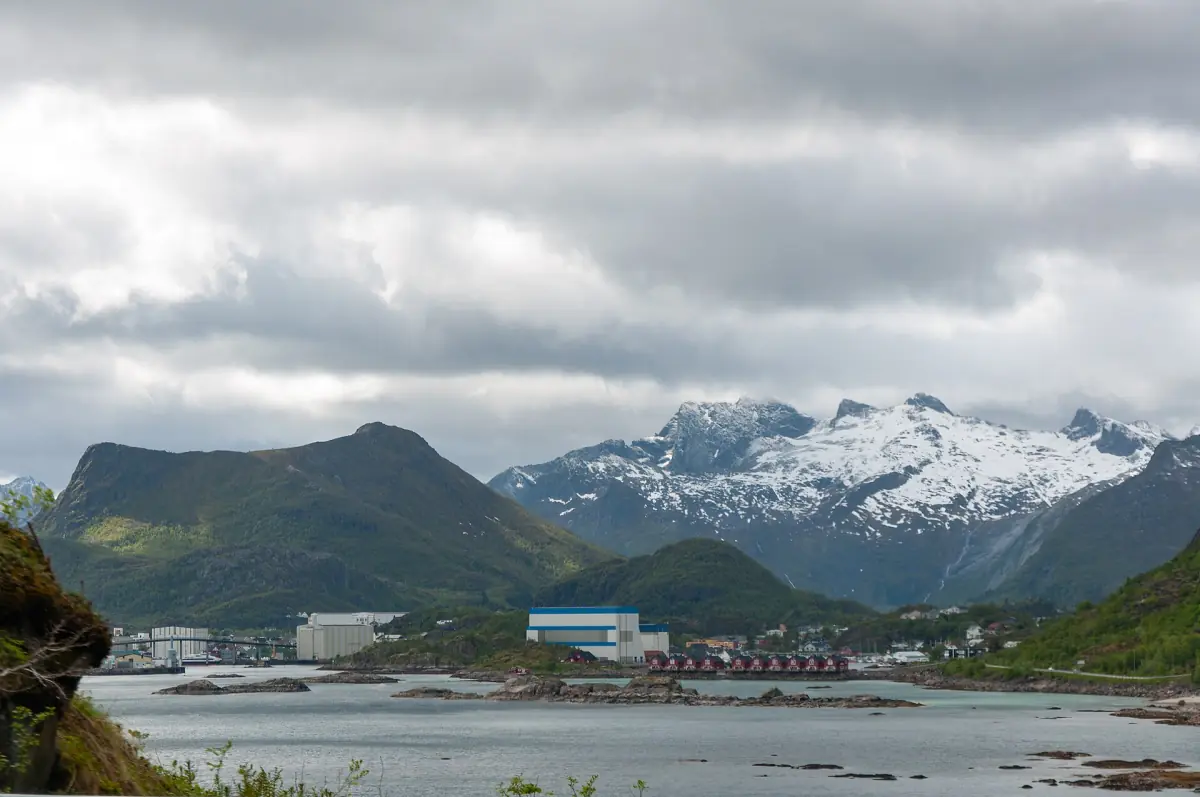
Svolvær in winter suits a stay that balances outdoor outings with time in a functioning coastal town. The broad winter period is approximately November to March, but the landscape can bring rain and wind as well as snow. Choose Svolvær as a base for specific guided activities and leave room to change their order. A white mountain in a photograph describes a moment, rather than the conditions for your entire stay.
Polar night lasts approximately from 7 December to 5 January, with twilight around midday. It is not complete darkness throughout the day. Make that light window the focus of your daytime plans, including travel to an activity and the return. Keep longer journeys separate from an ambitious outdoor programme, so a delay does not leave you trying to squeeze the outing into fading light.
Start with one daytime priority and an alternative in town. The seasonal planning guide helps you choose between the different light and activity windows. Once your dates are fixed, let the forecast and the guide's decisions shape the individual days rather than following a rigid sequence.
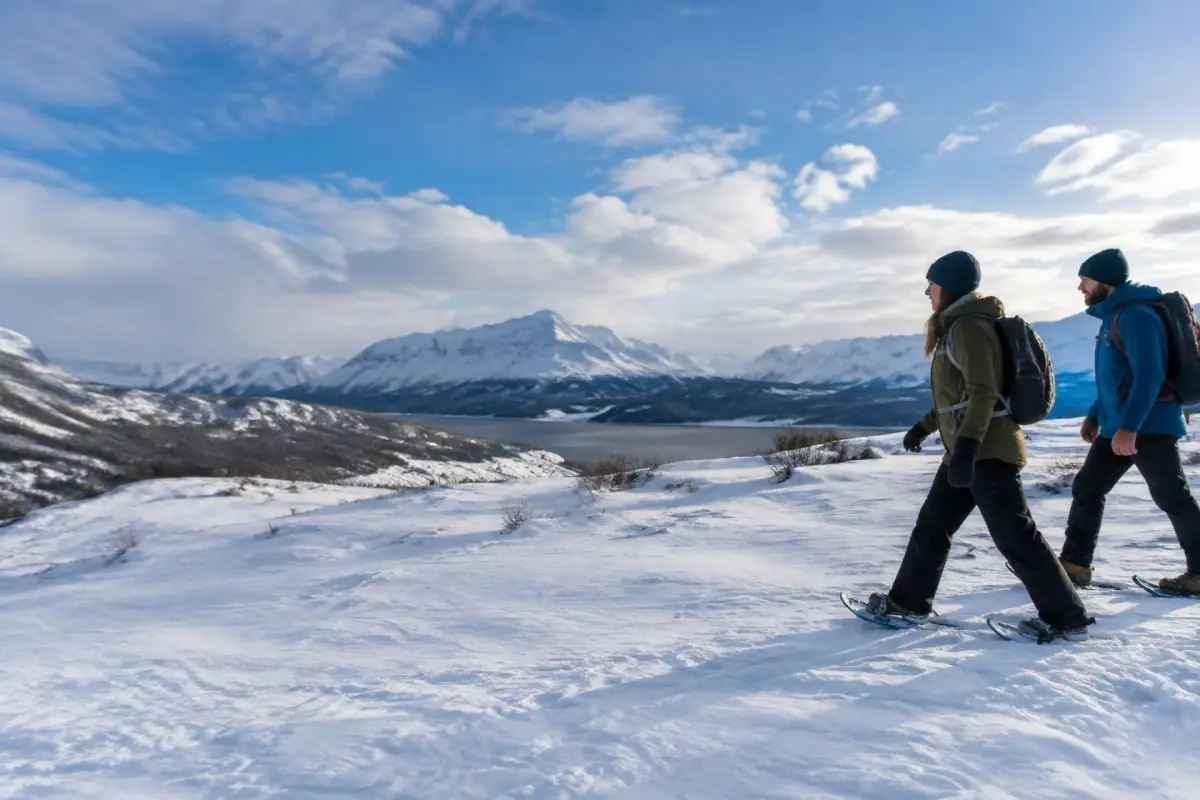
Snow and snowshoeing
The three-hour guided snowshoe outing includes snowshoes and poles, an English-speaking guide, bus transportation from the meeting point and hot drinks. The meeting point is John E. Paulsens gate 9 in Svolvær. Make your own way there; the included bus leg starts at that meeting point. Thermal boots are excluded, so plan your footwear separately from the supplied snowshoe equipment.
This is a specific guided activity, with a route and departure shaped by the conditions. A winter booking is not a promise of snow or access to a particular summit. Think about whether you want a day outdoors with a guide, rather than selecting it as a substitute for a summer mountain photograph. Reserve time around the outing to arrive prepared and return without rushing straight into your next journey.
Our pick: snowshoeing
Our take: This snowshoe outing includes equipment and an English-speaking guide.
Hand-picked tours, booked through GetYourGuide. Prices are indicative starting prices in euros (as of November 2026). Tap a tour for live availability and the current price in your currency.
A guided snowshoe outing from Svolvær
Snowshoes, poles, an English-speaking guide, bus travel from the meeting point and hot drinks are included. Thermal boots are extra to your equipment planning.
Dark evenings and northern lights
Darkness makes an aurora outing possible, while cloud and aurora activity determine the viewing opportunity. Sightings remain uncertain on winter nights. Keep the evening separate from the choice of daytime activity: you can enjoy the coast and its history even if the sky stays covered. The northern lights tour guide compares the actual evening formats from Svolvær and their included services.
Allow time to rest between a daytime excursion and a late outing. Avoid making every evening essential to the success of your trip. If northern lights are your main interest, choose dates in the darker season and keep more than one possible evening free, while accepting that several cloudy nights remain possible. The point of flexibility is to make a workable stay, not to turn the weather into a promise.
Winter roads and the journey to your base
Svolvær Airport Helle is the local airport; Evenes is an alternative with a longer land transfer. The E10 provides a road approach, while the NEX express boat from Bodø is a different route from the car ferry to Moskenes. Read the getting there guide before combining transport legs. Build a margin into arrival and departure days instead of treating a winter road time as fixed.
For passenger cars in Nordland, the minimum tyre tread is 3 mm from 16 October through 30 April. Drivers must ensure sufficient grip for the conditions, and summer tyres are unsuitable on winter roads. Look at the actual equipment on your rental vehicle. Actual vehicle equipment and current road conditions matter alongside the seasonal rule when deciding whether a planned drive is sensible that day.
Use Statens vegvesen for current road information and Varsom for avalanche warnings covering Lofoten and Vesterålen. A summer description of Fløya or Tjeldbergtind is not a winter route plan. Snow, ice, weather and available light change mountain decisions. Read the hiking safety context and choose a guided activity appropriate to the conditions rather than assuming the town's nearby mountains are simple winter walks.
Keep a coastal alternative in the programme
The seasonal skrei fishery runs from January to April, connecting winter with the working harbour. View the coastal activity from suitable public areas and give boats and fish reception facilities space. The fishing trips page explains visitor outings separately from this natural cycle. Seasonal fishing does not promise a catch or establish the departure calendar for every boat.
For a day with less time outdoors, turn to the town's history and the cultural sites near Kabelvåg. Choose a particular visit and its opening schedule rather than assuming every attraction operates throughout winter. The history guide gives the context for fishing cabins and museums; Lofotakvariet is closed in December and January. The weather guide helps you keep general seasonal expectations separate from the day's forecast.
Winter planning questions
Is snow guaranteed in Svolvær in winter?
Winter can bring snow, rain and wind. Keep a flexible plan and let the guide determine whether the conditions suit the snowshoe outing.
Does the snowshoe tour collect me from my hotel?
The included bus transportation starts at the meeting point at John E. Paulsens gate 9. Arrange your journey there separately, and bring suitable footwear because thermal boots are excluded.
Can I use the mountains as an easy alternative on a free day?
Mountain routes need decisions based on weather, snow, ice and daylight. Use official warnings and choose appropriate guided activities; a nearby summit is not a dependable winter fallback.