
Planning around Svolvær weather
Svolvær weather matters differently for a harbour walk, an exposed mountain route and a boat departure. Monthly rainfall gives useful background; use a current forecast to assess the sea or a particular slope on your chosen day. Keep your outdoor plans adjustable and look at wind, cloud and precipitation together rather than deciding from a rain symbol alone.
Build your stay around activities you can move between days. A Trollfjord cruise depends on operating conditions, while a mountain outing also needs suitable visibility, daylight and ground conditions. For the choice of season, read the best time to visit Svolvær. This page focuses on using weather information once you have a trip in mind.
Rainfall normals from neighbouring Skrova fyr
The table uses the weather station Skrova fyr on a nearby offshore island. These are not measurements from Svolvær town or its airport. They are monthly precipitation normals for 1991 to 2020, from the MET edition issued on 29 February 2024. Use the same reference period throughout a comparison rather than mixing it with unrelated climate tables.
A normal is a long-term average, not a forecast of how rain will be distributed across your stay. A monthly total does not specify the number of wet days, the hour a shower will pass or the strength of the wind. Conditions around Svolvær’s mountains can also differ from an offshore station. Use these figures to set expectations, then return to local forecasts for actual decisions.
| Month | Precipitation, Skrova fyr (mm) |
|---|---|
| January | 82 |
| February | 73 |
| March | 63 |
| April | 53 |
| May | 44 |
| June | 39 |
| July | 50 |
| August | 50 |
| September | 78 |
| October | 95 |
| November | 95 |
| December | 89 |
Our pick: winter kayaking
Our take: This guided winter kayak outing includes a dry suit.
Hand-picked tours, booked through GetYourGuide. Prices are indicative starting prices in euros (as of November 2026). Tap a tour for live availability and the current price in your currency.
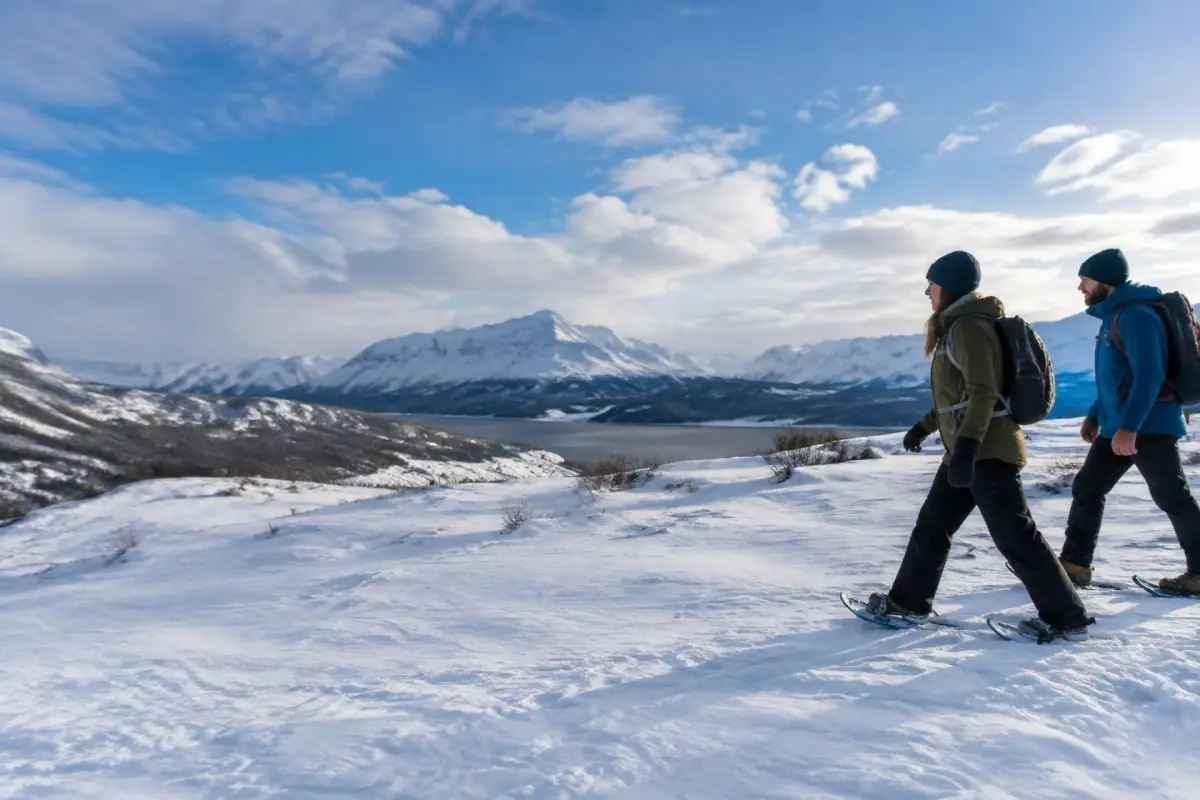
Guided winter paddling with dedicated equipment
The winter kayak outing includes a dry suit, kayak equipment and an experienced guide. Its operation still depends on suitable conditions.
Wind, waves and boat decisions
For a fjord trip, wind and sea conditions matter as well as rain. Rain alone is not necessarily a cancellation reason, while unsafe weather can lead to changes or cancellation. Leave space in your itinerary for the operator’s decision instead of treating a published departure as a promise that every part of the route will run unchanged.
An open RIB and a vessel with indoor areas offer different exposure to the weather. Protective clothing on an open boat is not the same experience as time inside a cabin. Read the RIB safari guide for the relevant equipment and joining arrangements. Choose for your own comfort as well as the destination, and follow the crew’s instructions during the outing.
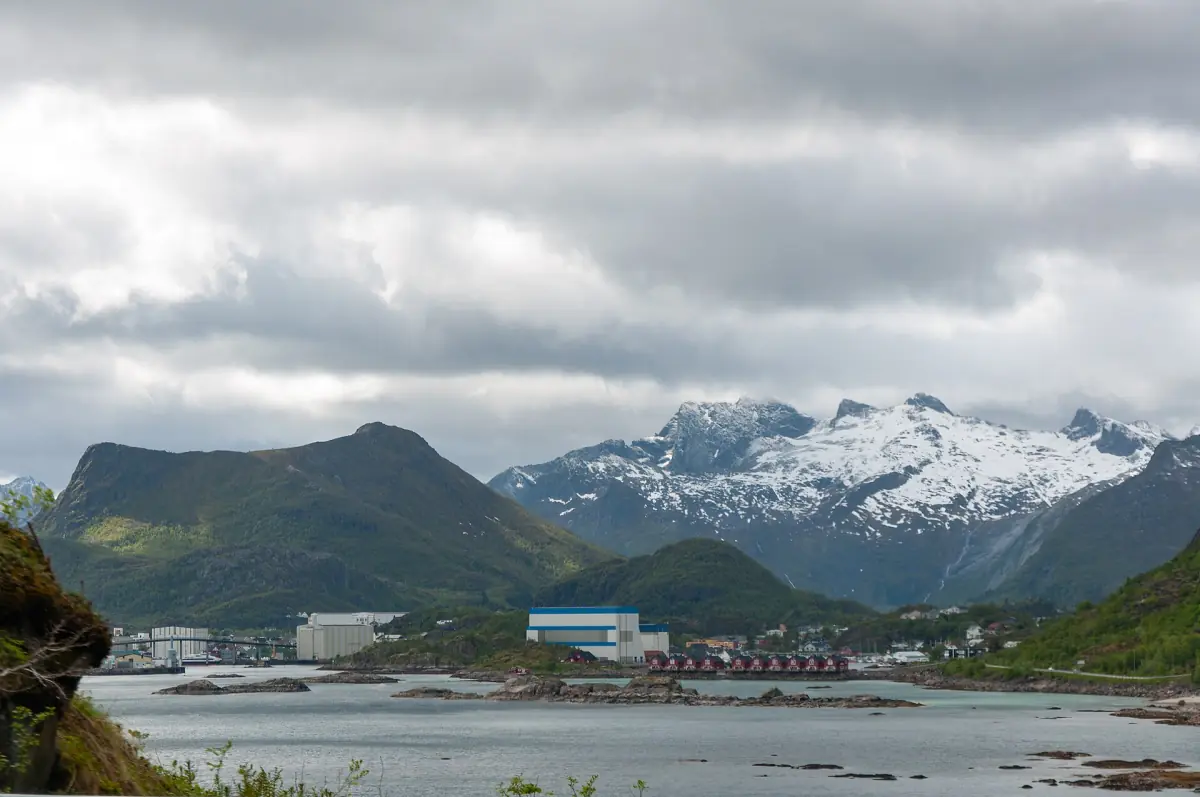
Winter kayaking is a guided activity
The winter kayak product lasts 2 hours and includes a kayak, dry suit, splash cover, paddle, life vest and experienced guide. Food, drinks and hotel transfers are excluded. Plan your own journey to the meeting point and use the specific preparation instructions for that outing. The equipment belongs to this winter product rather than every kayak experience.
A dry suit does not make the sea suitable in every weather pattern. The guided activity still needs an operating decision for the conditions. Compare seasonal differences in the kayaking guide, and keep a land-based alternative in mind. Avoid turning the availability of winter equipment into a reason to ignore wind or waves.
Mountains, daylight and warning sources
For Fløya, Djevelporten and Tjeldbergtind, match your route to conditions and experience. A built stairway does not turn the higher terrain into a continuously protected summit path. Allow for a return within suitable daylight, and change the objective if weather makes the route inappropriate. The hiking page explains these route differences; Svolværgeita should be approached as guided rope climbing.
Use Varsom for avalanche information in Lofoten and Vesterålen and Statens vegvesen for roads. Read the valid time and area of a warning rather than taking a general seasonal description as a current hazard rating. Winter can bring snow, rain and wind, so a white landscape should not be the only version of the trip you prepare for.
Road travel in changing conditions
Allow flexibility in a driving day instead of fixing winter arrival times too tightly. In Nordland, the passenger-car tread requirement is at least 3 mm from 16 October through 30 April, alongside the driver’s responsibility for adequate grip. Check the actual rental vehicle and the road information before departure. The arrival guide brings the transport options together if driving no longer suits your plan.
Weather questions
Are these rainfall figures for Svolvær town?
They are normals from neighbouring Skrova fyr, an offshore station, for 1991 to 2020. They give regional context rather than town or airport measurements.
Do boat trips stop whenever it rains?
Rain alone is not necessarily a cancellation reason. Wind, sea conditions and the operator’s safety decision also matter.
Is snow certain during a winter visit?
Winter can bring snow, rain and wind. Plan clothing, journeys and alternative activities for changing conditions rather than assuming continuous snow cover.